

There is always something happening in Europe’s drone and Innovative Air Mobility community. From policy milestones and new projects to industry collaborations and expert forums, DRONEA highlights the key moments shaping our sector. Find out more below.


DRONEA has officially joined the PEGASUS (Piloting European Green Air Mobility and Services for Urban Societal Readiness) project, a €4.83 million Horizon Europe initiative funded by the European Union and managed by the European Climate, Infrastructure and Environment Executive Agency (CINEA).
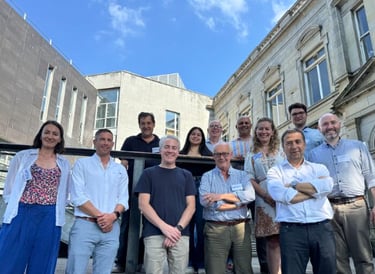
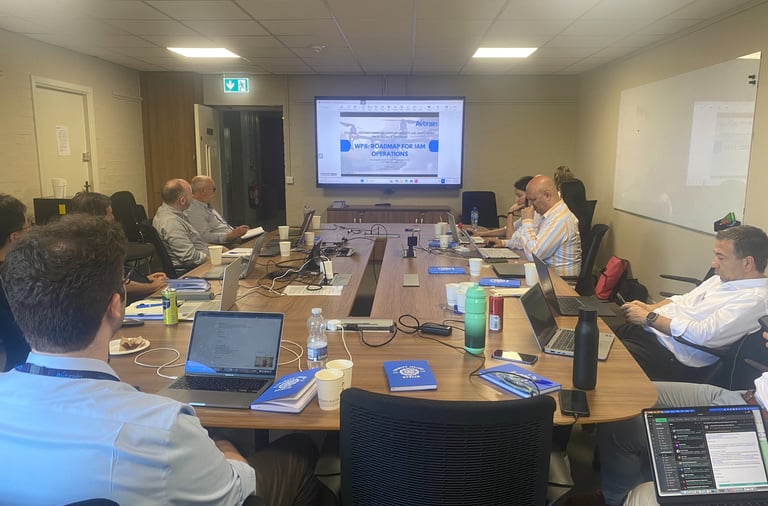
The four-year project officially commenced with its kick-off meeting hosted by Trinity College Dublin on 26 June 2026, bringing together 18 partner organisations from across Europe representing academia, industry, public authorities and research organisations.
PEGASUS seeks to accelerate the deployment of Innovative Air Mobility (IAM) services for urban logistics by addressing not only technological development but also the societal, regulatory and economic conditions required for successful implementation.
One of PEGASUS's flagship outcomes will be the development of a Societal Readiness Score (SRS)—an innovative framework that will enable cities, regulators and service providers to assess societal readiness for drone-based logistics and other Innovative Air Mobility services. The methodology will evaluate factors including safety, noise, privacy, environmental impact, inclusiveness and citizen acceptance.
Within the consortium, DRONEA has been entrusted with leading Work Package 7 – Business Models and IAM Value Proposition. The objective of WP7 is to ensure that Innovative Air Mobility solutions become not only technically feasible but also economically sustainable and commercially scalable. The work package will focus on:
developing sustainable business models for IAM services;
defining value propositions for different stakeholder groups;
assessing market potential and economic viability;
identifying commercialisation pathways and investment opportunities;
supporting the long-term market uptake of Innovative Air Mobility across Europe.
By leading WP7, DRONEA will contribute its expertise in aviation policy, innovation ecosystems, business strategy and stakeholder engagement, helping bridge the gap between technological innovation and successful real-world deployment.
DRONEA to Lead Work Package 7 in €4.83 Million Horizon Europe PEGASUS Project
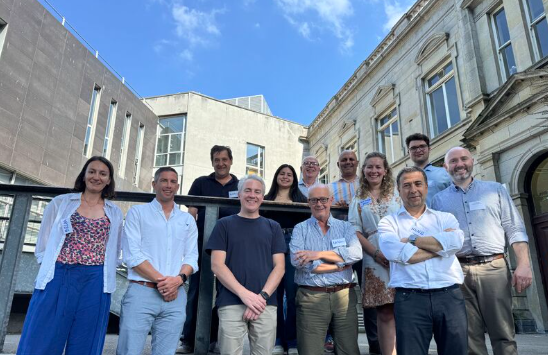
DRONEA Participated in the JEDA General Assembly in Brussels
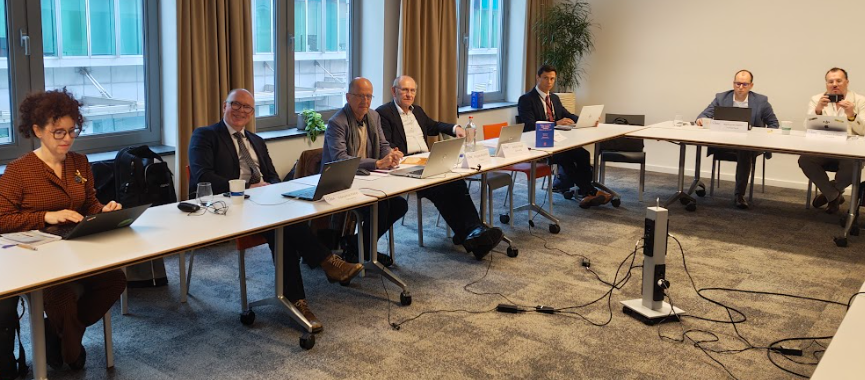
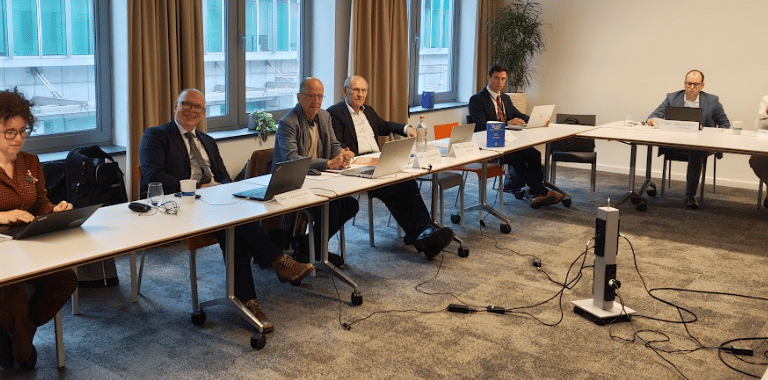
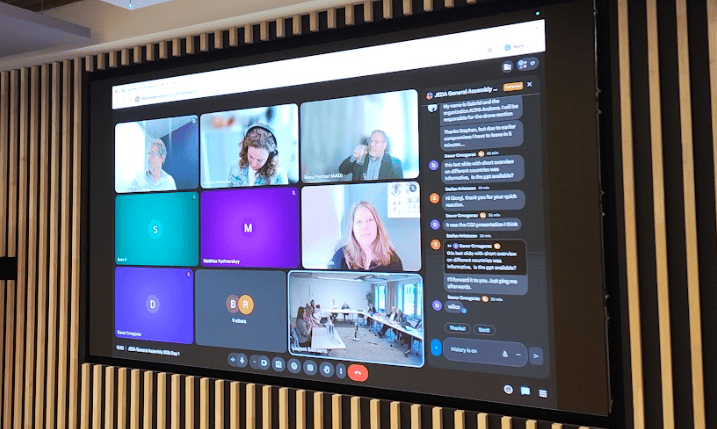
This week, DRONEA participated in the Joint European Drone Associations (JEDA) General Assembly in Brussels, one of the key annual events bringing together national drone associations and European regulators to discuss the future of European drone policy, U-space development, regulatory evolution and Innovative Air Mobility (IAM).
The General Assembly serves as an important platform for aligning industry perspectives at the European level, discussing JEDA’s strategic direction, competence group activities, governance matters and the evolving regulatory and operational framework shaping the European drone ecosystem.
This year’s programme placed a strong focus on European regulatory and security priorities. One of the main highlights of the Assembly was the participation of representatives from the European Commission, EASA, EUROCONTROL and the European Defence Agency EDA, who presented upcoming developments expected to shape the European drone sector in the coming years.
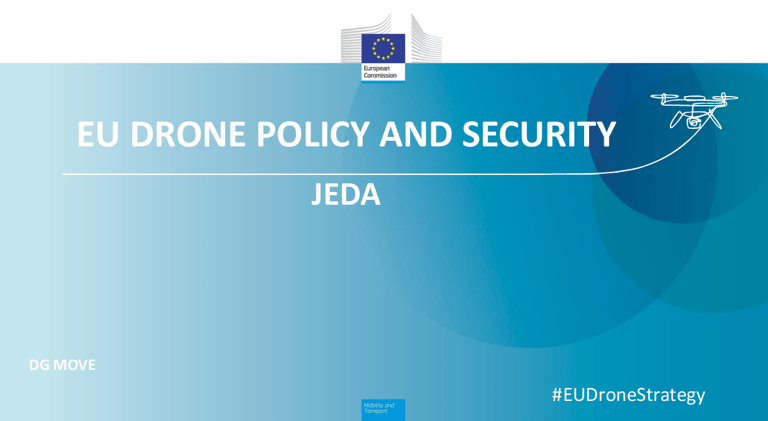
Christine Berg, Head of Unit MOVE.E4 Aviation Safety at the European Commission’s DG MOVE, presented the latest developments related to EU drone policy and security. Discussions focused on the upcoming “Drone Security Package”, including measures related to mandatory operator registration, direct remote identification and improved airspace situational awareness across Europe. The presentation also addressed the development of the European Trusted Drone Label initiative, aimed at strengthening cybersecurity, reliability and dual-use readiness standards for drones operating in sensitive environments.
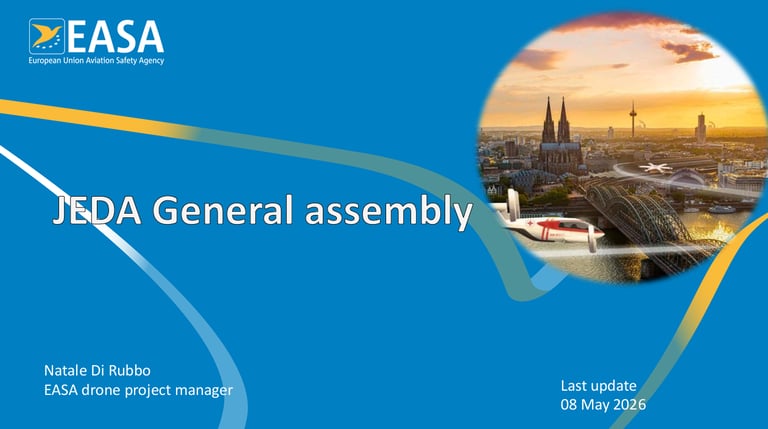
EASA representative Natale Di Rubbo presented the latest regulatory developments and planned legislative updates for 2026. Key topics included the simplification of UAS regulations, expansion of standard scenarios, acceleration of BVLOS operations and reducing administrative burden for certain operational categories.
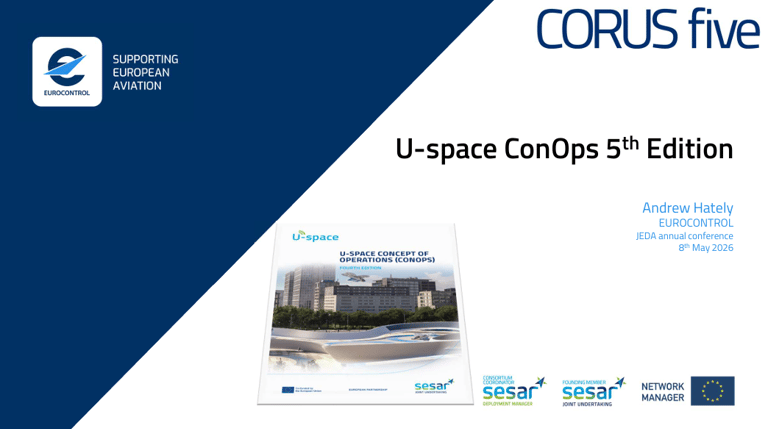
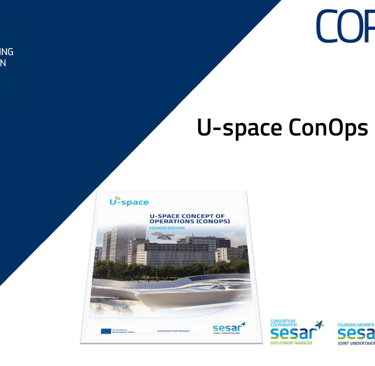
EUROCONTROL expert Andrew Hately presented the ongoing development of CORUS-5 U-space ConOps and the long-term vision for integrating U-space into the wider European Air Traffic Management ecosystem. Discussions highlighted that future U-space systems will increasingly rely on digitalisation, automation and tighter integration with traditional ATM structures.
The GA also addressed progress related to ADS-L and electronic conspicuity initiatives aimed at improving situational awareness and reducing collision risks between manned and unmanned aviation. EASA presented the progress of ADS-L standardisation and the broader “Be Seen and Be Aware” safety initiative supporting integrated U-space environments.
In addition to institutional presentations, the GA included discussions on JEDA governance matters, Board elections, competence group activities and the organisation’s future cooperation with EU institutions and industry stakeholders.
Why does it matter?
The European drone sector is entering a new phase where the focus is shifting from early-stage regulation towards scalable, integrated and operational deployment across Europe. Discussions taking place today around U-space, BVLOS operations, cybersecurity, dual-use capabilities and IAM will directly shape the future European aviation ecosystem.
DRONEA views participation in JEDA activities as an important opportunity to contribute to European-level discussions, strengthen international cooperation and support the development of a safe, competitive and innovation-driven European drone ecosystem.
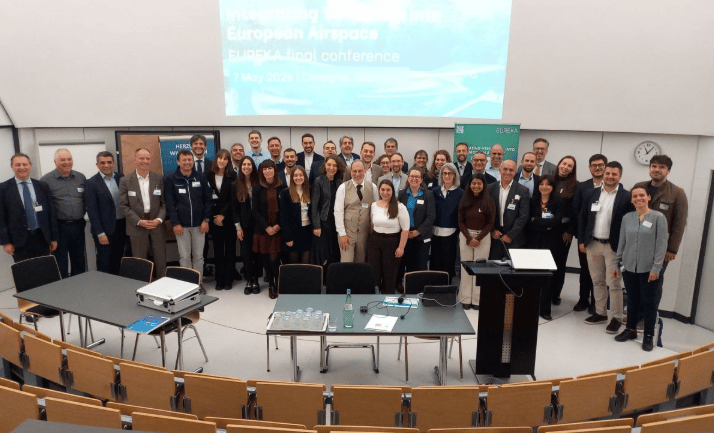
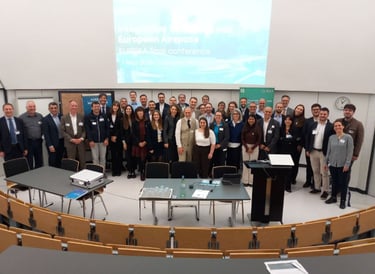
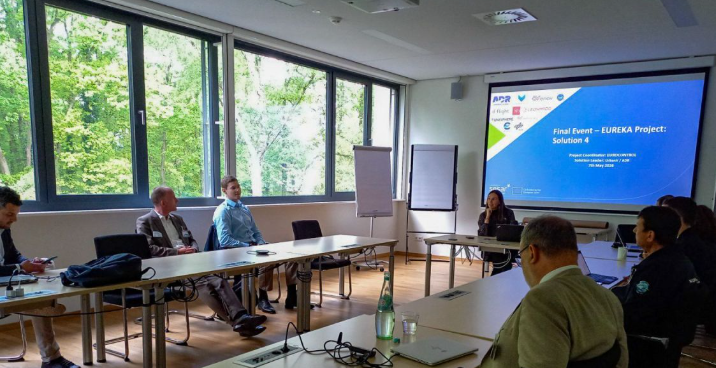
The final conference of the EUREKA SESAR3 Fast Track project, held on 7 May 2026 at the German Aerospace Center (DLR) headquarters in Cologne, Germany. The event brought together representatives from industry, research organisations, regulators and air navigation stakeholders to discuss the future integration of vertiports into the European airspace system.
Organised together with EUROCONTROL under the SESAR Joint Undertaking programme, the conference marked the conclusion of the EUREKA project, a major European initiative focused on enabling safe, scalable and operationally efficient Innovative Air Mobility (IAM) ecosystems across Europe.
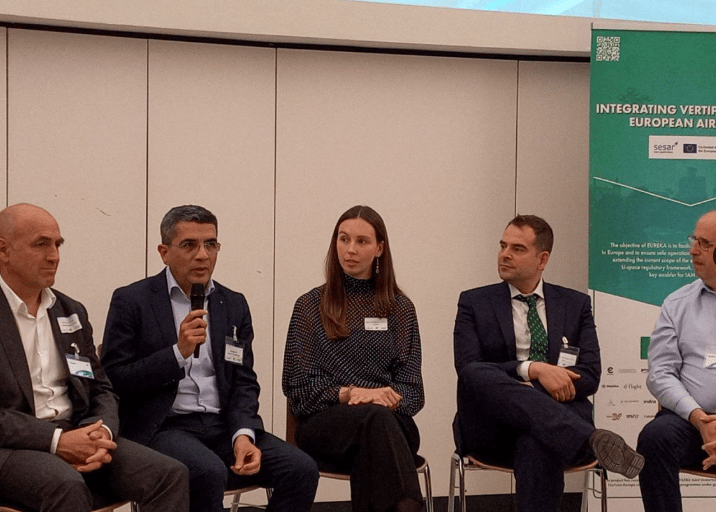
Throughout the event, project partners presented the results achieved across multiple operational and technological workstreams, including vertiport operations, U-space integration, network flow and capacity management, disruption handling, operational scalability and advanced air traffic coordination concepts. The conference concluded with a high-level roundtable discussion on how Innovative Air Mobility is reshaping the traditional Air Traffic Management paradigm and requiring closer integration between airspace management, ground infrastructure and digital services.
With 33 partners involved across multiple solution streams, the EUREKA project demonstrated the importance of cross-sector collaboration in building future European IAM capabilities. Discussions throughout the conference highlighted that integrating vertiports into the aviation ecosystem is not only a technological challenge, but also an operational, regulatory and societal one.
As a project participant, DRONEA is proud to contribute to European efforts aimed at developing resilient, scalable and societally accepted autonomous aviation ecosystems. Participation in initiatives such as EUREKA strengthens DRONEA’s engagement within the broader European IAM and U-space landscape and supports the development of future-ready aviation solutions across Europe.
About EUREKA
The EUREKA SESAR3 Fast Track project addresses the challenges of future vertiport operations and their integration into European airspace. The project focuses on improving operational efficiency, traffic management, capacity planning, turnaround optimisation and coordination between airspace and ground infrastructure stakeholders within the future Innovative Air Mobility ecosystem.
DRONEA and the EUREKA SESAR3 Final Conference in Cologne
Learning to see the difference in drones
A few days ago, we received a call from a friend: “I just saw a drone flying over the city centre — should I dial the emergency number?”
The question is very understandable. Public messaging often urges people to stay alert, but it’s essential to remember: civilian drones and military drones are two completely different worlds.
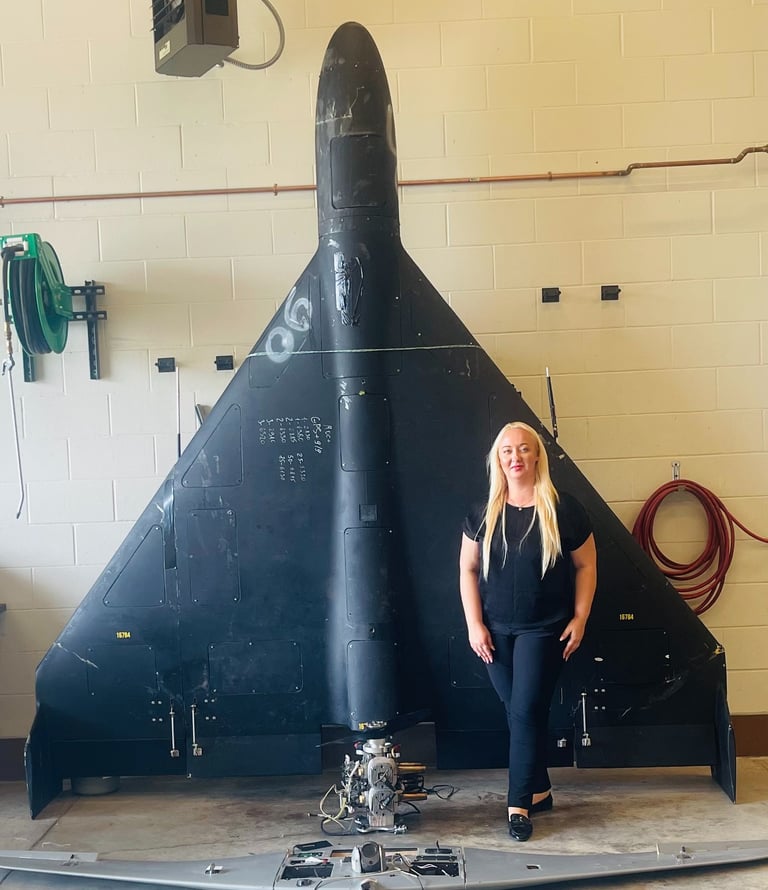
Civil drones that we see in cities and used by municipalities, media crews, or police, etc are small (often less than half a meter across), battery-powered, relatively quiet (just a buzzing sound), and stay airborne for around 20–25 minutes. They fly slowly in defined zones and can be recognised by flashing LED lights in red, green, and white.
Military drones such as the Shahed, however, are in an entirely different category. These are closer to small aircraft than to toys: about 3.5 meters long, weighing around 200 kilograms, powered by combustion engines, and producing a low, monotonous “moped-like” noise that grows louder as they approach. They fly fast and straight, up to 200 km/h, without hovering or maneuvering, and unlike civil drones, they carry no LED lights.
In the photo shared by Dr Oleksandra Molloy, she is standing right next to a Shahed-type drone. The contrast is striking: its sheer scale makes it obvious that such a drone resembles a small airplane, not a consumer quadcopter bought in a store.
A big thank you to Dr Oleksandra Molloy for sharing this powerful illustration, it helps make the difference between civilian and military drones crystal clear.
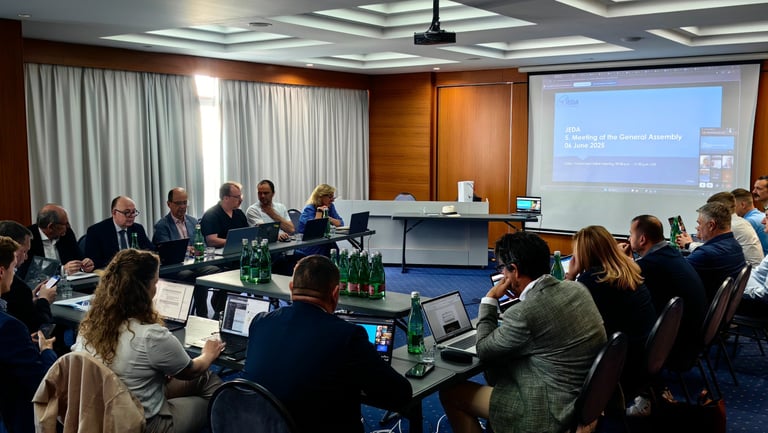
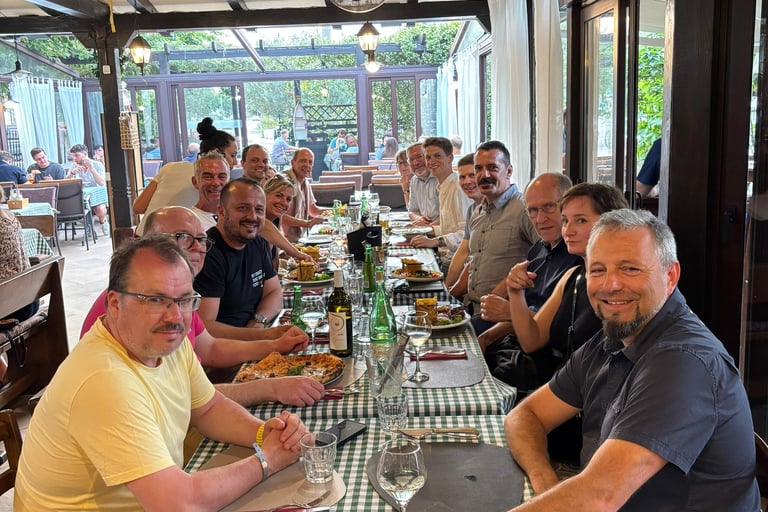
This week, Dronea is proudly participating in the 5th General Assembly of the Joint European Drone Associations (JEDA), taking place in Zadar, Croatia — a milestone event that brings together representatives from 24 member organizations across 22 countries. As an active member of JEDA, Dronea is contributing to critical discussions on the future of drone policy, airspace integration, and EU-level coordination.
The Agenda Highlights:
Keynotes from Croatian Civil Aviation Agency (CCAA) – on Croatia’s regulatory progress and Croatia Control Ltd. – on U-space implementation and AMC Portal; EASA – on evolving EU drone regulations
MoU Signing Ceremony with the European Aerospace Science Network (EASN) – strengthening ties between academic research and drone industry development
Votes & Strategy: Admission of new JEDA members; Approval of the budget and future governance; Strategic alignment on advocacy and policy goals
Competence Group Sessions on: CG1-Regulation & harmonization; CG2-Training & licensing; CG3-Technical standards; CG4 - Occurrence reporting mechanisms
And of course – community building through social events and informal networking in beautiful coastal Zadar
Why It Matters
As U-space becomes a reality and regulatory frameworks mature, forums like this Assembly allow Dronea and fellow JEDA members to speak with one collective voice — shaping a safe, scalable, and innovation-friendly drone ecosystem in Europe.
This Assembly also reflects JEDA’s growing stature as a coordination platform connecting national associations, EU institutions, and technical stakeholders. Dronea is committed to advancing ethical, responsible, and harmonized drone integration — in Lithuania and beyond.
Dronea at 5th General Assembly of JEDA
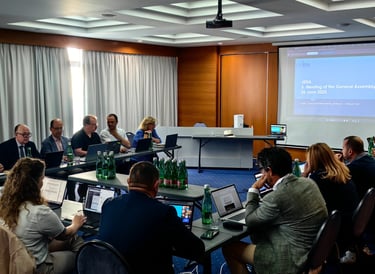
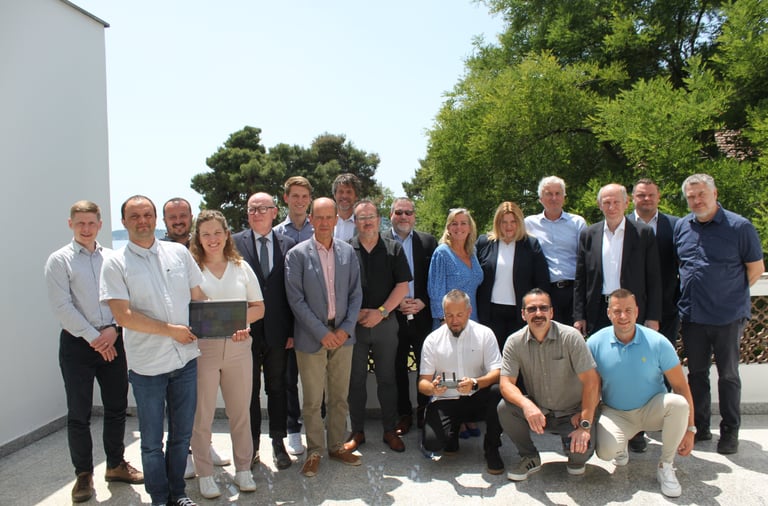
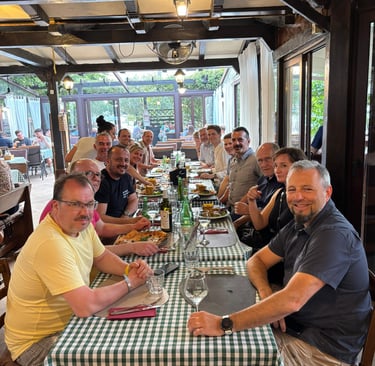
EUREKA stakeholders meeting in Brussel
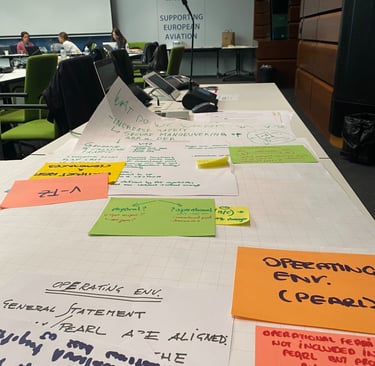
Vidmantas Kairys participated in EUREKA SESAR 3 Fast Track project workshop focused on harmonizing and finalizing the OSED for the EUREKA Solution. All partners, solution leaders, and solution task leaders were invited to join this collaborative event.
EUREKA project aims to enable Urban Air Mobility (UAM) accommodation in Europe and safe and autonomous UAM operations in all types of airspace) with a special emphasis on a key enabler for the UAM operations: the Vertiport.
The workshop was expertly moderated by the WP3 (“Validation Planning/Reporting“) team.
Day 1: We kicked off with a comprehensive update on stakeholder roles and responsibilities within the EUREKA project. To foster innovation and inclusivity, participants were encouraged to propose counter ideas if they disagreed with the WP3 proposal. Another group reviewed these counter proposals and identified any gaps.
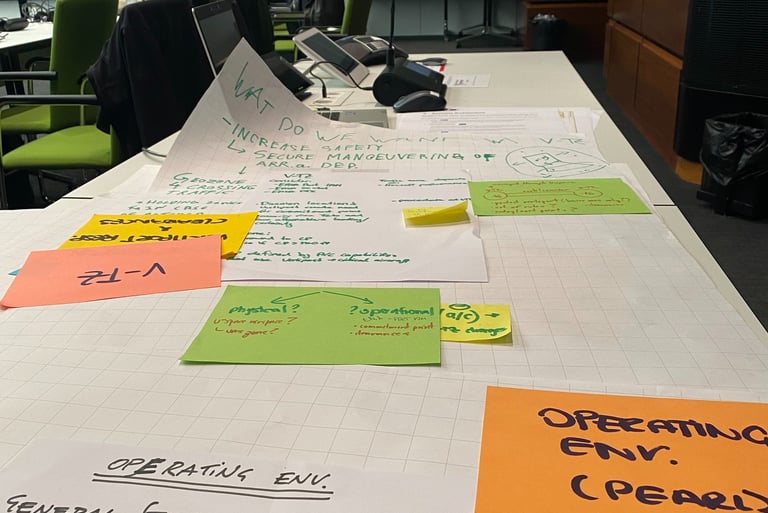
Day 2: The focus shifted to developing a new architecture for the EUREKA. Partici[ants were engaged in dynamic discussions about information flow between stakeholders in various operating environments, aiming to pinpoint and address any gaps.
Day 3: Participants discussed findings and hear presentations from solution leaders on the changes in their OSED/architecture resulting from the workshop discussions.
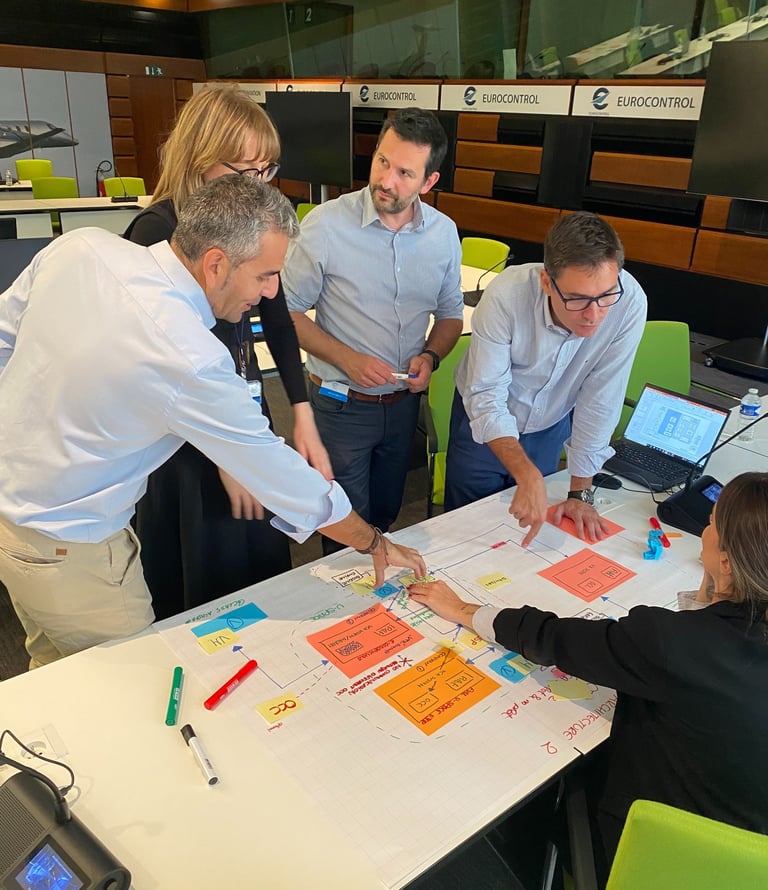
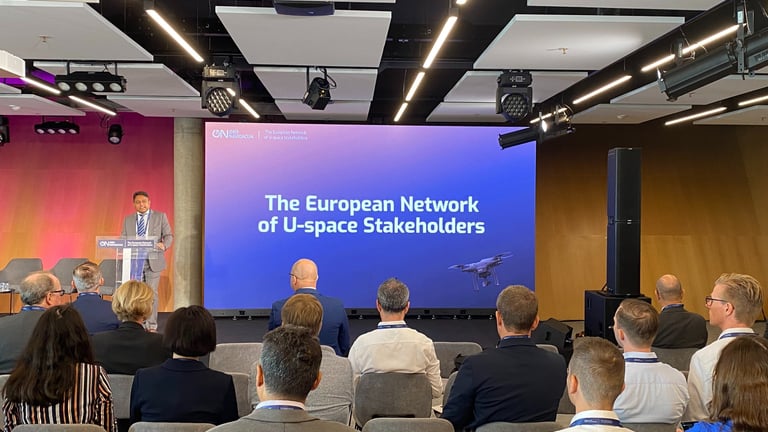
Dronea representatives attended the European Network of U-space Stakeholders Meeting in Vilnius, Lithuania. Organized by the Support Cell (European Commission/DG MOVE, EUROCONTROL, the European Union Aviation Safety Agency, the SESAR Joint Undertaking, and the European Defence Agency), this event was a fantastic opportunity to delve into the latest U-space implementation activities across Europe.
Key Highlights:
Workshop 1: Insightful lessons from Airspace Risk Assessments in Lithuania, Estonia, and Spain.
Workshop 2: Engaging discussions on the demand for U-space airspace from industry and institutional perspectives.
Themed Plenary: Comprehensive updates on U-space strategy, regulation, and research activities.
It’s always a privilege to engage in such concrete and impactful discussions that shape the future of drone technology and its regulatory framework across Europe. These meetings offered a fantastic opportunity to tap into the regional drone networks and collaborate with key stakeholders from EU Member States.
U-Space Stakeholders meeting in Vilnius
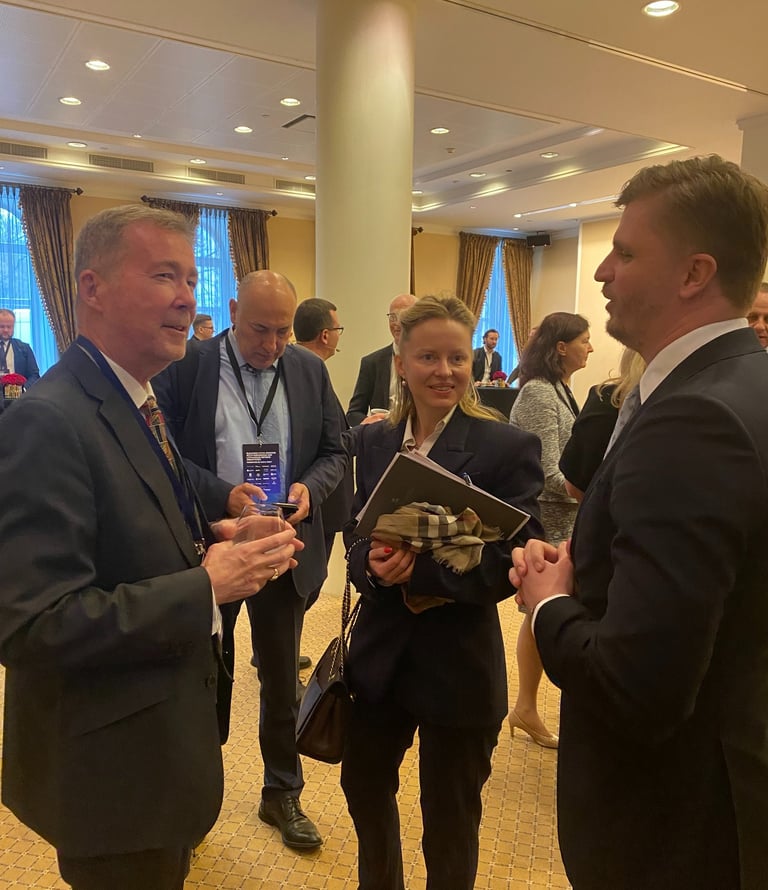
Norwegian-Lithuanian Business Forum 2024: CREATING PARTNERSHIPS FOR REGIONAL DEFENCE
Peace requires a lot of work, even when it feels like there's not much peace to go around. That's what was discussed at the Norwegian-Lithuanian Business Forum 2024, with an opening from His Royal Highness Crown Prince Haakon of Norway.
Photo: Per Herseth, DRONEA, in exciting discussion with Greta Monika Tučkutė, Deputy Minister of National Defence and Giedrimas Jeglinskas, Lithuanian politician and former NATO official.
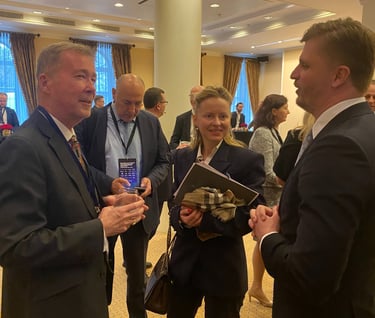
Joint European Drone Associations (JEDA) is poised to represent unmanned aviation interests in Europe with a balanced Executive Committee led by Julie Garland. The Board of Directors elected the team, reassuring the firm support until now. With this lineup, JEDA is well-equipped to advocate for its members and shape the Drone Economy's future. Acknowledging Achim Friedl's foundational work, the Executive Committee proposes creating the role of Honorary President to maintain his valuable involvement and foster collaboration within the organization.
Dronea Chairman Vidmantas KAIRYS: „Honoured to have been re-elected as the Vice President of Joint European Drone Associations (JEDA) for a 2-year term along with new President Julie Garland and Vice President Philippe Boyadjis, Treasurer Laurent GEERAERTS and Secretary Stefan Hristozov.“
Vidmantas KAIRYS has been re-elected Vice-President of JEDA
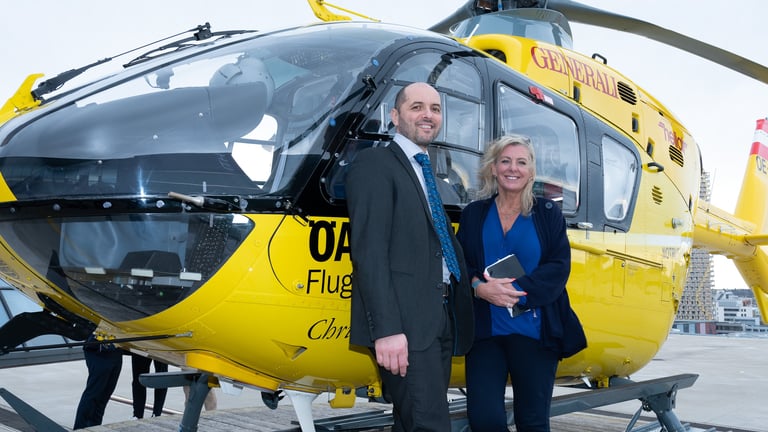
4th General Assembly of the Joint European Drone Associations (JEDA)
The 4th General Assembly of the JEDA occurred on February 7th. This event was particularly noteworthy due to the presence of distinguished guests from EASA - European Union Aviation Safety Agency, Austro Control, and ÖAMTC. Productive discussions were held, including fruitful exchanges with Natale Di Rubbo of EASA regarding drone activities and potential collaboration between EASA and JEDA.
Our objective at JEDA is to gather the brightest minds and best ideas from our member associations across Europe, focusing on common areas of expertise. To this end, three Competence Groups operate within JEDA, addressing the implementation of European regulations, training programs, technical issues. The group leaders presented their plans for the future at the General Assembly.
Looking ahead, JEDA remains committed to collaborating with the EC, EASA, and other aviation authorities and professional organizations. JEDA will continue supporting its members through networking opportunities, competence groups, and participation in seminars.
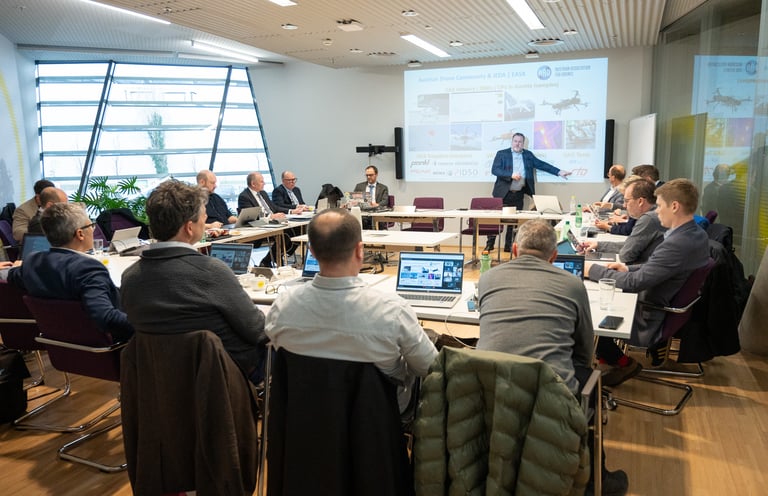
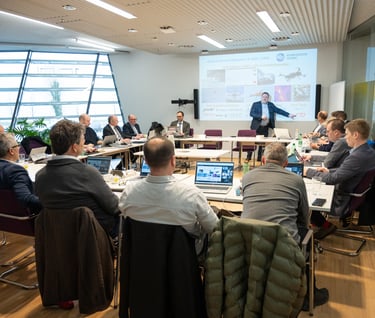
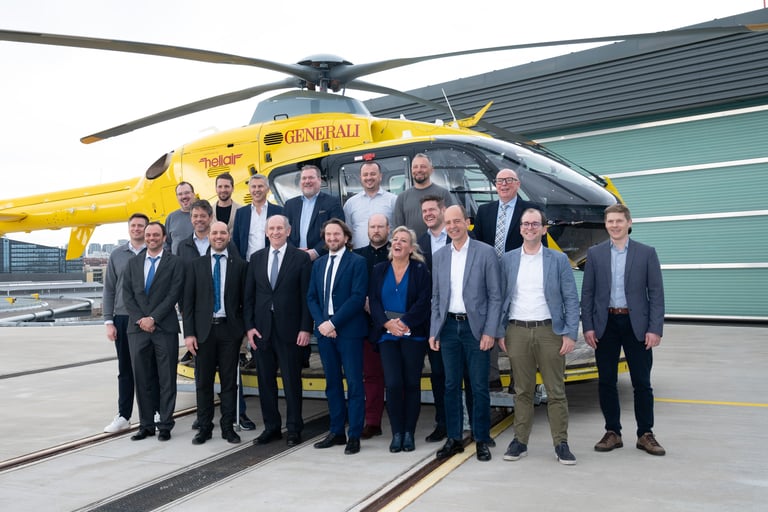
Joint European Drone Association (JEDA) and the officials in charge of the European Union Aviation Safety Agency drone sector met in Cologne this Friday at EASA HQ.
Over the last few years, the European Union has developed a comprehensive drone regulatory framework for its Member States, which made Europe the first region in the world to have a comprehensive set of rules ensuring safe, secure, and sustainable operations of drones.
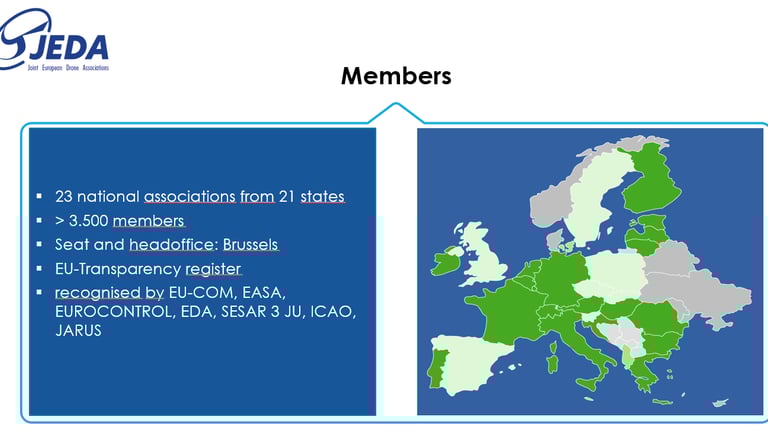
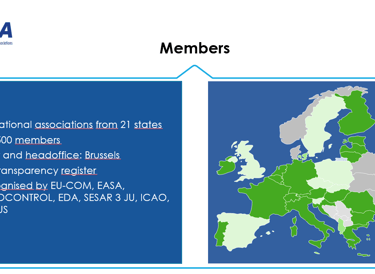
JEDA is the largest and only one umbrella organization for the national associations of unmanned aviation in Europe, having 23 national associations from 21 European states and counting, more than 3500 members involved as operators, remote pilots, manufacturers, service providers, etc.
During the meeting, parties discussed the interpretation and application of EU legislation in the drone domain, experiences and challenges, and the promotion of best practices in developing this promising sector. However, the main focus was on how to prevent shortcomings and foster good bilateral collaboration between the authority and the largest association toward the common goal of ensuring the safe and efficient development of a drone ecosystem.
Meeting with EASA
From vision to business – bringing the EU drone market to life
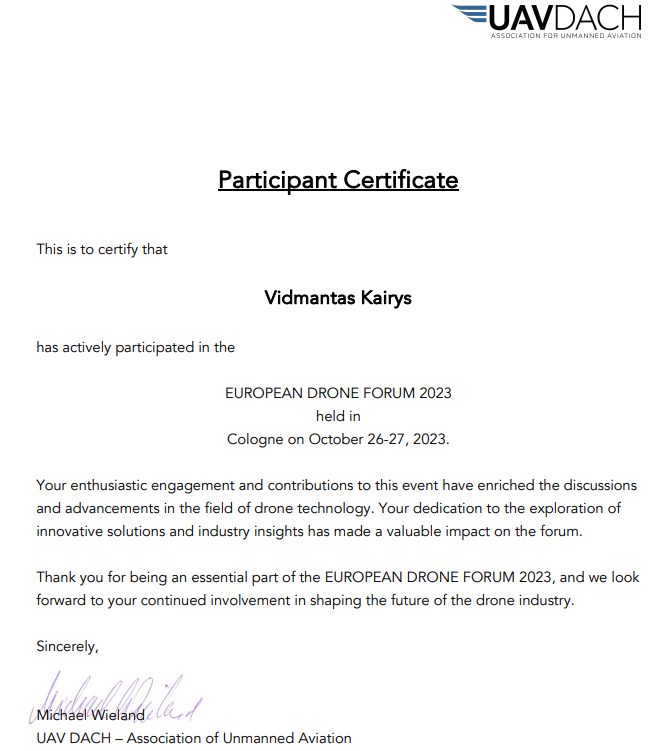
DRONEA took part at European Drone Forum held in Cologne on 26 and 27 October 2023. This event has confirmed its reputation as Europe’s most important expert conference for UAS and cemented it at the absolute top level. Whether experts from EASA, the drone industry or from politics and business, we were able to look into many satisfied faces in a room filled to capacity. The participants gained first-hand insights into the current planning of Europe’s aviation authorities and all together shaped the future of drones in Europe directly and unfiltered.
DRONEA is a part of European Network of U-space stakeholders.
The meeting held in Katowice, Poland that was organized the European Commission, EUROCONTROL, the European Union Aviation Safety Agency, SESAR 3 Joint Undertaking and European Defence Agency.
The scope of the meeting is to share lessons learned related to ongoing U-Space implementation activities across Europe. Please find the agenda of the meeting below. We invite you to save the event to your calendar and register as soon as possible.
European Network of U-space Stakeholders Meeting in Katowice
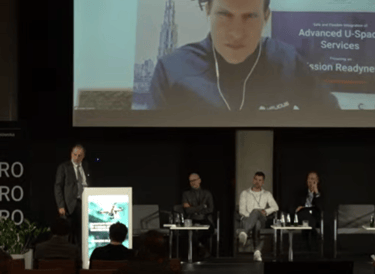
EASA U-space webinars
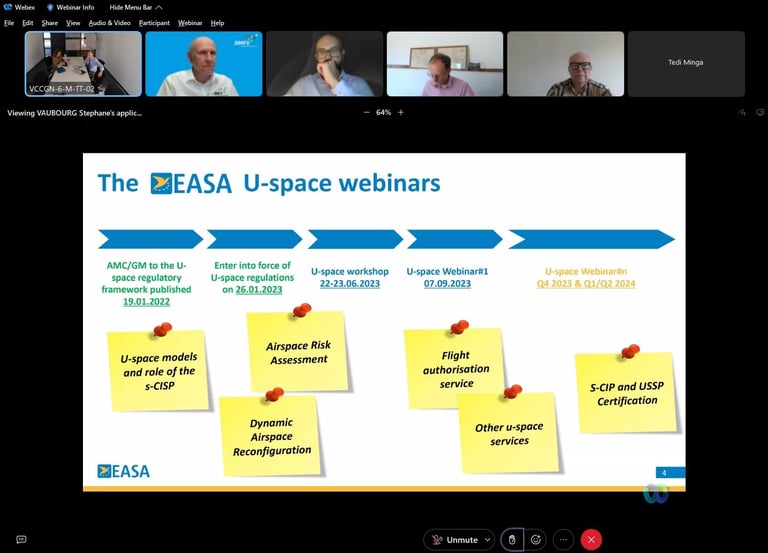
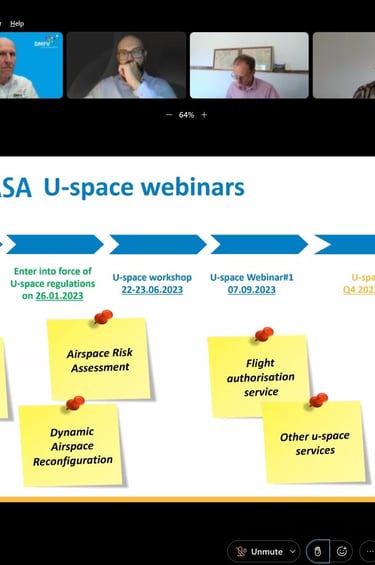
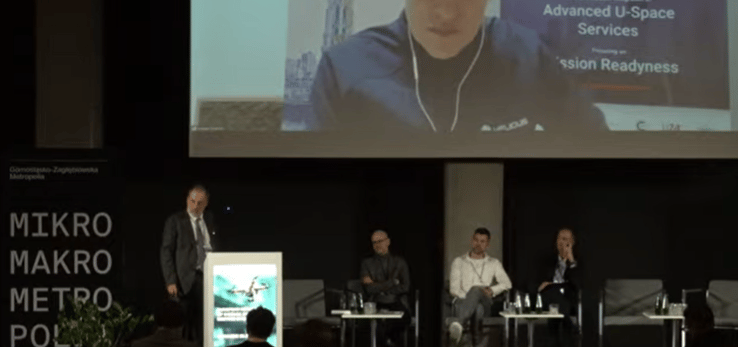
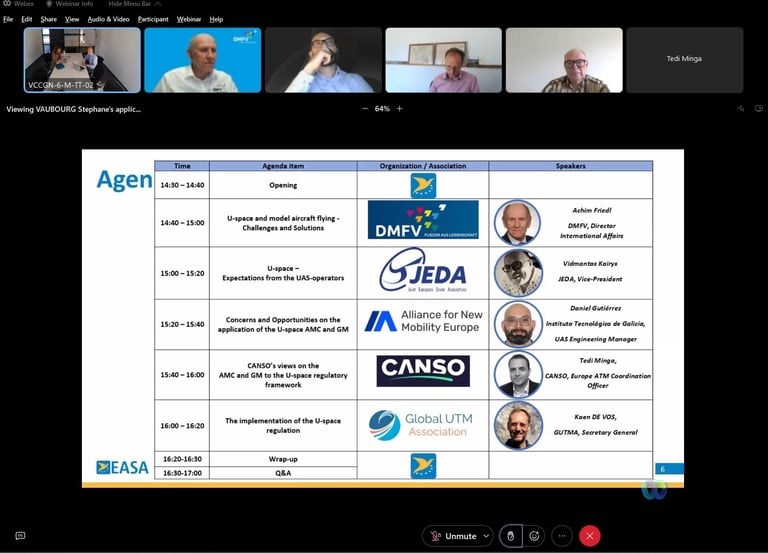
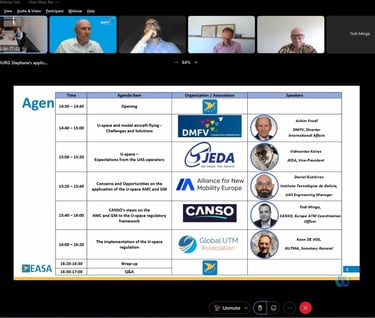
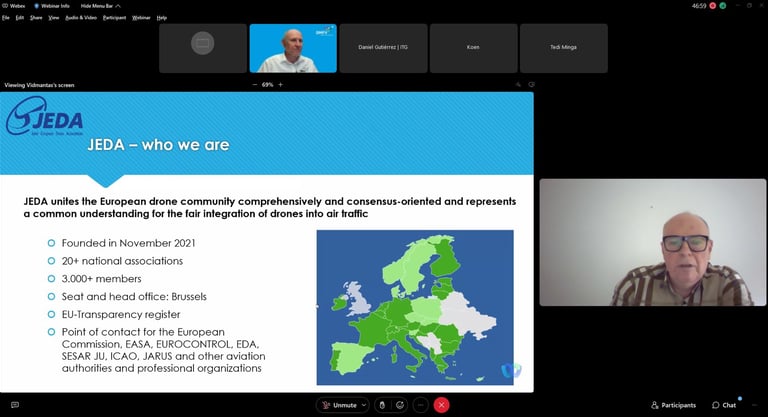
Being in the capacity of viceprezident of Joint European Drone Association (JEDA), the Chairman of Dronea Vidmantas Kairys delivered a presentation to the EASA webinars along with colleagues from CANSO, GUTMA and AME.
Vidmantas Kairys presented the feedback received from JEDA members on the issues related to the U-space implementation.
With EUREKA you have:
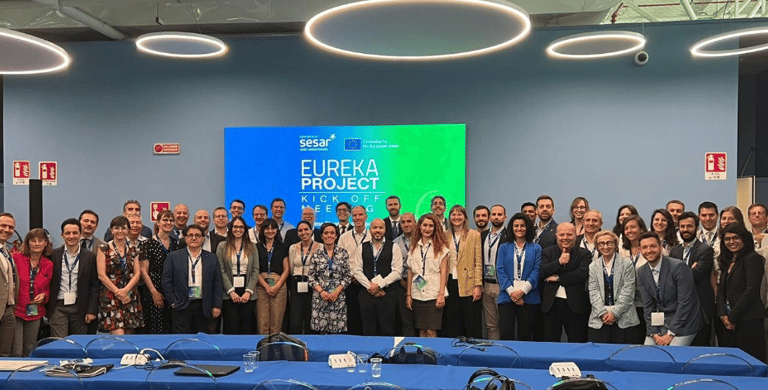
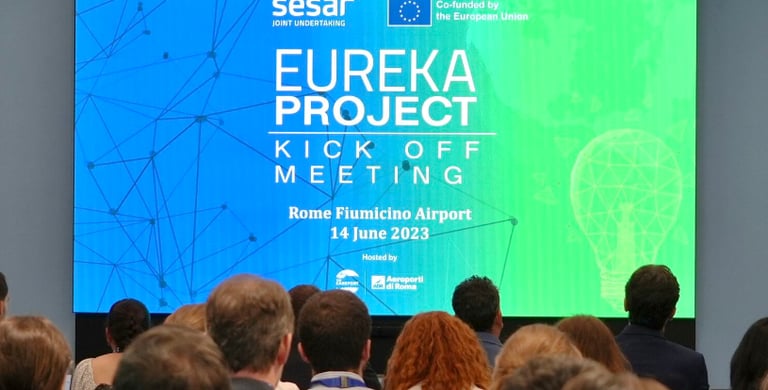
35 companies working together to develop 4 solutions that will enable the safe integration of vertiports in the European airspace.
35 companies belonging to 1 project that paves the way and supports the UAM accommodation in Europe.
35 companies belonging to 1 project that makes the move from excluded, segregated drones to an inclusive airspace for all airspace users including VTOLs.
At its core, EUREKA is about developing 4 solutions and integrating them with each other:
Vertiport arrival & departure management
Vertiport collaborative traffic management
Disruption and emergency management
Vertiport network flow, capacity and operational management
Dronea is presented in 3 Working Packages
INDUSTRIAL RESEARCH PROJECT
EUREKA- European Key solutions for vertiports and UAM
Air taxis are an exciting development in air mobility, but these vehicles rely on infrastructure like vertiports and accompanying air traffic management procedures to get off the ground. The project will develop the complete arrival, departure and turnaround process for vertiports. The proposed solutions will consider collaborative traffic management, how to deal with emergencies and disruptions and network flow and capacity management. The project will provide recommendations for regulation/standardization and any information to accelerate and harmonize the development of UAM, VTOL operations, and vertiports across Europe.

European Committee of the Regions
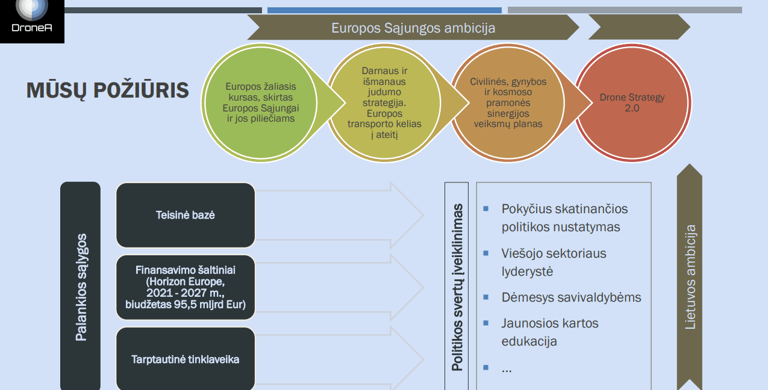
DRONEA contributed to the European Committee of the Regions (CoR) in preparing an opinion on the topic of the European Drone Strategy 2.0, based on the European Commission's communication A Drone Strategy 2.0 for a Smart and Sustainable Unmanned Aircraft Eco-System in Europe.
The main task was to identify, assess and address possible asymmetric impacts of EU policies on the different EU territories depending on their characteristics
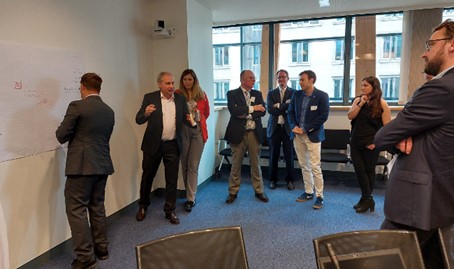
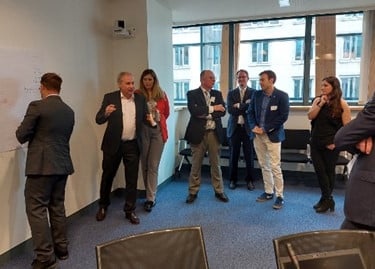
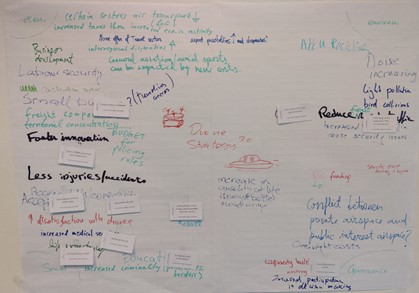


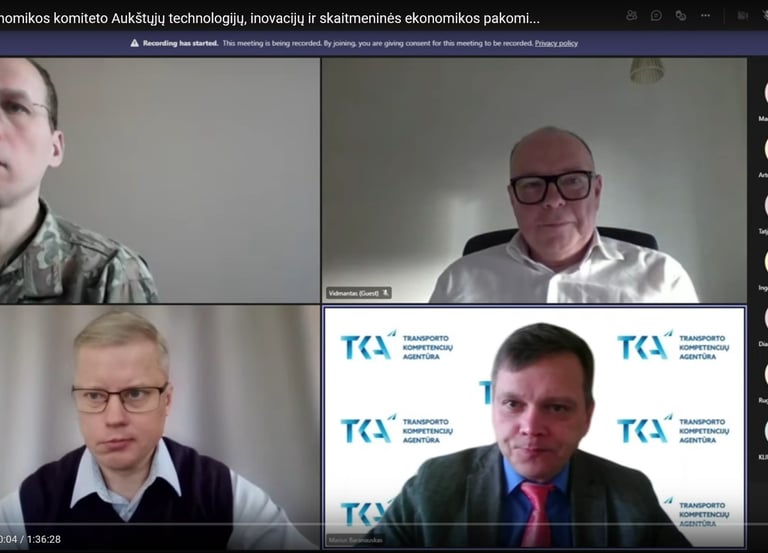
Dronea presented to members of the Parliament of the Republic of Lithuania and institutional representatives the perspectives of unmanned aerial vehicles in the public and private sectors, addressing the challenges of quality of society, business efficiency and innovation.
UAVs are a technology that is already opening up possibilities and prospects for new services and applications, making it a real opportunity to create more jobs and open up a long-term source of innovation and economic growth.
Meeting of the Subcommittee on High Technologies, Innovation and the Digital Economy of the Parliament Committee on Economic Affairs, together with representatives of the Seimas Temporary Group "Digital Lithuania" in 2022.
"We are in favour of a competitive development of Lithuania's unmanned aircraft sector, which would enable research, innovation and the creation of high added value products. The public sector must take the lead. We will provide the political leadership. We need to promote the growth of this innovative, fast-growing technology and publicise the potential of UAVs," said Andrius Kupčinskas, chairman of the Seimas Subcommittee
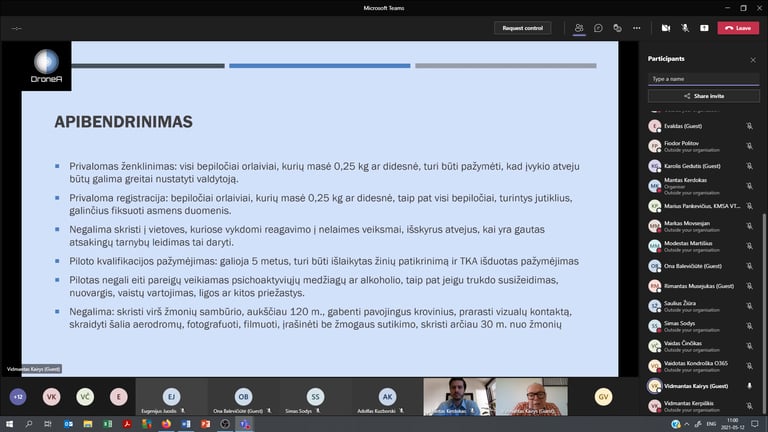
Dronų eismo sauga - svarbi Europos Sąjungos visuomenės problema
SEMINARAS:
"Ką privalu žinoti miestų savivaldybių vadovams apie naują bepiločių orlaivių naudojimo tvarką"
Mietų savivaldybių skaičius: 6
Dalyvių skaičius: 18
Dalyviai: miestų savivaldybių vadovai ir kiti atsakingi asmenys.
2020-12-31 įsigalioję Europos Komisijos R2019/945 ir R2019/947 nustatė naujas taisykles ir reikalavimus ES bepiločių orlaivių savininkams ir pilotams
Kodėl aktualu dalyvauti seminare?
1.Savivaldybė veikia kaip atsakinga už viešąją tvarką
2. Savivaldybė veikia kaip bepiločių orlaivių naudotojas
3. Savivaldybė veikia kaip verslo skatintojas
Contacts
info@dronea.lt
Privacy policy